
Travel Insurance for Adventure Seekers: Travel insurance is an essential safeguard for any journey, whether you’re embarking on a relaxing beach vacation, an adventurous solo trek, or a family getaway. In an unpredictable world, where flight delays, medical emergencies, or lost luggage can disrupt even the best-laid plans, having the right travel insurance policy provides peace of mind and financial protection. This comprehensive guide to travel insurance will explore why it’s crucial, the different types available, what it covers, common exclusions, how to select the best plan, top companies in 2025, and the claims process. If you’re searching for the best travel insurance options, this article will equip you with the knowledge to make an informed decision.
Travel insurance isn’t just an optional add-on; it’s a smart investment that can save you thousands in unexpected costs. According to experts, travel insurance typically costs between 4-10% of your trip’s total price, making it affordable for most travelers. For instance, on a $5,000 trip, you might pay $200-$500 for coverage that protects against trip cancellations, medical issues abroad, and more. With global travel rebounding post-pandemic, incidents like natural disasters, health crises, or political unrest highlight the need for robust protection. The U.S. Department of State recommends considering travel insurance for international trips to cover medical evacuations and other emergencies.
In 2025, the travel insurance market has evolved with digital tools making it easier to compare and purchase policies online. Whether you’re a frequent flyer or a first-time traveler, understanding travel insurance basics is key. This guide draws from reliable sources to help you navigate the options, ensuring your next adventure is worry-free.

5 Reasons Why You Should Buy a Travel Insurance Online
Why You Need Travel Insurance: Key Benefits Explained
Imagine arriving at your dream destination only to face a medical emergency without local healthcare coverage. Or worse, a canceled flight due to weather, leaving you stranded with non-refundable hotel bookings. This is where travel insurance shines, offering a safety net for various scenarios.
One primary benefit is trip cancellation and interruption coverage, which reimburses prepaid, non-refundable expenses if you must cancel or cut short your trip for covered reasons like illness, injury, or death in the family. Medical coverage is another cornerstone, especially for international travel where U.S. health insurance often doesn’t apply. Policies can cover hospital stays, doctor visits, and even emergency evacuations, which can cost upwards of $100,000 without insurance.
Baggage loss or delay protection compensates for lost, stolen, or delayed luggage, providing funds for essentials while you wait. Additionally, many plans include 24/7 assistance services for everything from finding a doctor to legal help abroad. For adventure seekers, specialized coverage for activities like skiing or scuba diving ensures you’re protected during high-risk pursuits.
In 2025, with rising concerns over climate events and health variants, travel insurance also often covers COVID-related issues, though specifics vary by policy. Ultimately, the benefits of travel insurance extend beyond finances—it’s about enjoying your trip without constant worry. Studies show that insured travelers report higher satisfaction levels, knowing they’re prepared for the unexpected.

The Benefits Of Travel Insurance – FasterCapital
Beyond individual perks, travel insurance fosters responsible tourism. It encourages travelers to plan ahead, reducing the burden on local resources during emergencies. For families, it means protecting children’s health and trip investments; for solo adventurers, it provides a lifeline in remote areas. If you’re wondering, “Is travel insurance worth it?” consider this: the average claim payout can exceed $2,000, far outweighing the premium cost.
Types of Travel Insurance Policies: Finding the Right Fit
Travel insurance comes in various forms, tailored to different needs and trip styles. Understanding these types helps you select the best travel insurance for your adventure.
Single-trip insurance is ideal for one-off vacations, covering a specific journey from start to finish. It’s cost-effective for infrequent travelers and can be customized with add-ons like rental car coverage.
Multi-trip or annual plans suit frequent flyers, providing coverage for multiple trips within a year, often with a per-trip duration limit of 30-90 days. This is perfect for business travelers or retirees exploring the world.
Comprehensive plans offer broad protection, including medical, cancellation, baggage, and delay coverage. They’re the most popular, as noted in guides from providers like Allianz. For budget-conscious folks, basic policies focus on essentials like medical and cancellation, skipping extras.
Specialty options include adventure travel insurance for high-risk activities, family plans with child-specific benefits, and senior-focused policies with higher medical limits. Cruise insurance addresses unique risks like missed ports or onboard medical needs.
In 2025, digital nomad insurance has gained traction, offering long-term coverage for extended stays abroad, including remote work setups. When choosing, consider your destination—some countries require proof of insurance for entry visas.
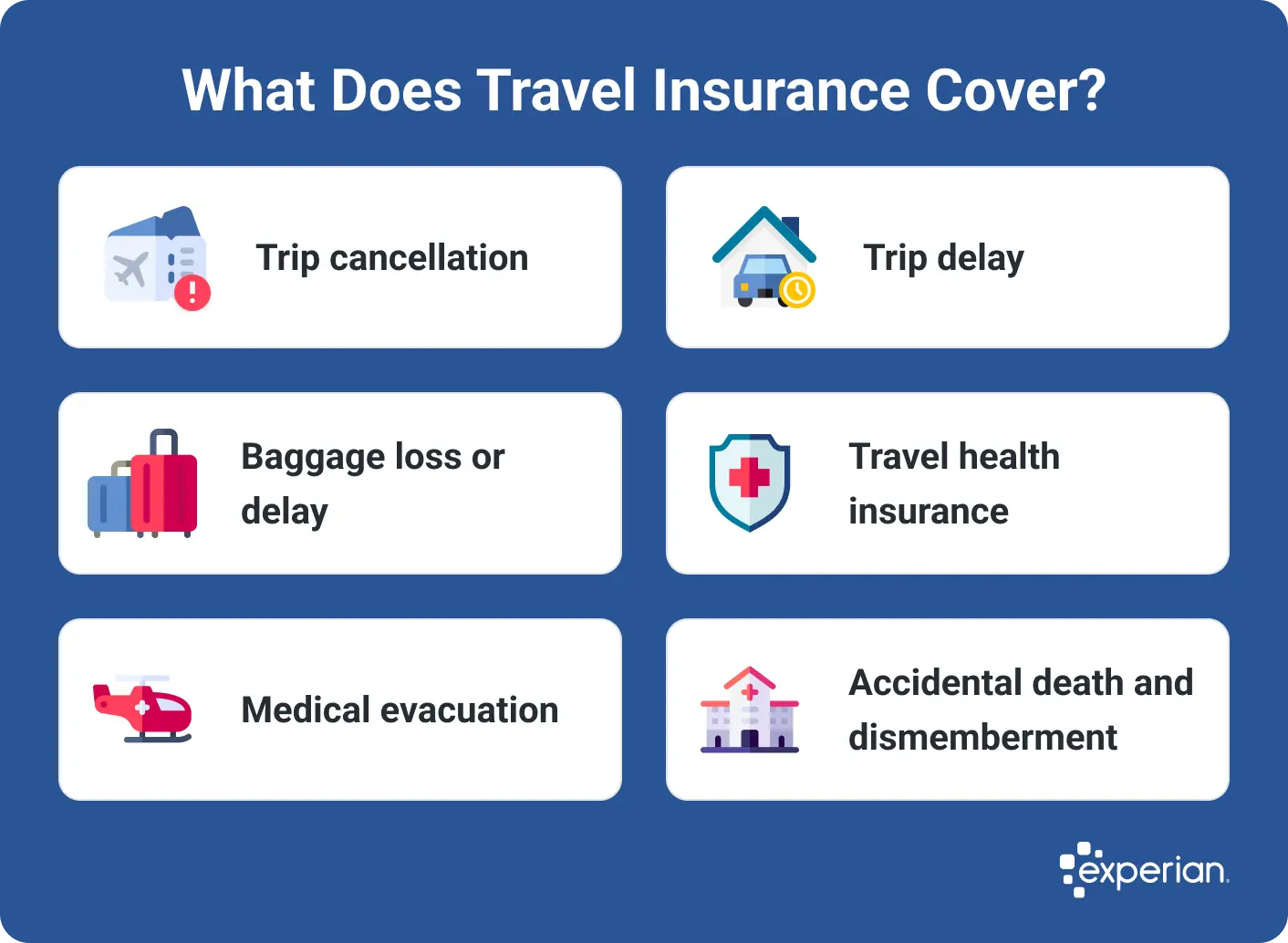
What Does Travel Insurance Cover?
Group policies for families or tours can lower costs per person. Always review policy details, as coverage varies by provider. For example, some include “cancel for any reason” (CFAR) upgrades, allowing flexibility at an extra cost.
What Does Travel Insurance Cover? A Detailed Breakdown
At its core, travel insurance covers unforeseen events that could derail your plans. Standard inclusions encompass trip cancellation/interruption, reimbursing up to 100% of costs for valid reasons.
Medical expenses are a highlight, covering treatments, prescriptions, and dental emergencies abroad. Emergency medical evacuation transports you to adequate facilities, crucial in remote areas.
Baggage and personal effects coverage protects against loss, theft, or damage, often up to $1,000-$3,000 per person. Travel delay benefits provide reimbursements for meals and lodging if your flight is delayed over a certain period, like 6-12 hours.
Many policies include accidental death and dismemberment (AD&D) benefits, plus coverage for rental car damage or liability. In 2025, enhanced features like cybersecurity protection for data breaches during travel are emerging.
For families, child care extensions might cover extra costs if a parent is hospitalized. Adventure add-ons insure sports like hiking or bungee jumping, which standard plans might exclude.
Remember, coverage limits apply—review them to ensure they match your trip’s value. Comprehensive guides emphasize matching coverage to your itinerary for optimal protection.

Find a Travel Insurance Plan for Your Family Vacation
Common Travel Insurance Exclusions: What Isn’t Covered
While travel insurance is robust, it has limitations. Common exclusions include pre-existing medical conditions unless waived with a premium add-on. High-risk activities like skydiving are often excluded unless specified.
Intentional acts, such as traveling against government advisories, void coverage. War, terrorism, or civil unrest in certain regions may not be covered.
Alcohol or drug-related incidents are typically not reimbursed. Normal wear and tear on baggage or elective procedures aren’t included.
Pandemics might have partial coverage, but check for specifics. Always read the fine print to avoid surprises.

What Are Common Travel Insurance Policy Exclusions?
How to Choose the Best Travel Insurance: Tips and Factors
Selecting the best travel insurance involves assessing your needs. Start by evaluating trip cost, duration, and activities. Use comparison sites to review quotes from multiple providers.
Consider coverage limits—ensure medical benefits are at least $100,000 for international trips. Look for 24/7 support and easy claims processes.
Read reviews and check financial stability ratings. In 2025, eco-friendly policies or those with app-based claims are trending.
For solo travelers, prioritize personal safety features like emergency contacts.
Protect Your Solo Adventures with Travel Insurance for Women
Buy early to cover pre-trip issues like cancellations.
Top Travel Insurance Companies in 2025
Leading providers include Allianz, known for comprehensive plans; Seven Corners for customizable options; and World Nomads for adventurers. Others like Travelex and AIG offer strong medical coverage.
Compare based on your needs—Money.com highlights top picks for value and reliability. In Canada, companies like Manulife excel.
7 Best Travel Insurance Companies of November 2025 | Money
How to File a Travel Insurance Claim: Step-by-Step
Filing a claim starts with notifying your insurer promptly, often within 30 days. Gather documentation like receipts, medical reports, and police statements for thefts.
Submit via app or online portal. Expect processing in 2-4 weeks. Keep copies and follow up.

How To File A Travel Insurance Claim: Step-by-Step Guide
Conclusion: Secure Your Next Trip with Travel Insurance
Travel insurance is indispensable for safe, enjoyable journeys. By understanding its facets, you can choose the best policy. Don’t leave home without it—your adventure awaits!