
The Future of University Scholarships: As we stand on the cusp of 2026, the landscape of higher education is undergoing profound transformations. University scholarships, once straightforward merit- or need-based awards, are evolving into dynamic tools shaped by technology, economics, and societal shifts. With global enrollment pressures, rising costs, and the integration of artificial intelligence, the future of scholarships promises both opportunities and challenges. This article explores how scholarships might look in the coming years, drawing on current trends to forecast a more personalized, accessible, and equitable system of student aid.
Scholarships have long been a lifeline for students pursuing higher education. In recent years, they’ve become even more critical amid soaring tuition fees and economic uncertainties exacerbated by events like the COVID-19 pandemic. According to recent analyses, scholarships are increasingly vital as school fees continue to rise, making higher education inaccessible for many without financial support. By 2026 and beyond, we can expect scholarships to adapt to a world where education is not just a privilege but a necessity for workforce participation in an AI-driven economy.
The integration of emerging technologies will redefine how scholarships are awarded, applied for, and managed. Meanwhile, economic factors such as shrinking student pipelines and fluctuating government funding will force institutions to innovate in their aid strategies. Diversity and inclusivity will also play pivotal roles, ensuring that scholarships reach underrepresented groups across the globe. This evolution isn’t without hurdles—rising expenses and regulatory changes could strain resources—but the potential for positive change is immense.
In this 2000-word exploration, we’ll delve into the current state, key trends, and bold predictions for university scholarships. Whether you’re a student, educator, or policymaker, understanding these shifts is crucial for navigating the future of education.

The Current Landscape of University Scholarships
To appreciate the future, we must first examine the present. As of late 2025, university scholarships encompass a wide array: merit-based for academic excellence, need-based for financial hardship, athletic for sports talents, and specialized ones for fields like STEM or the arts. In the U.S. alone, billions are disbursed annually through federal programs like Pell Grants, state initiatives, and private endowments.
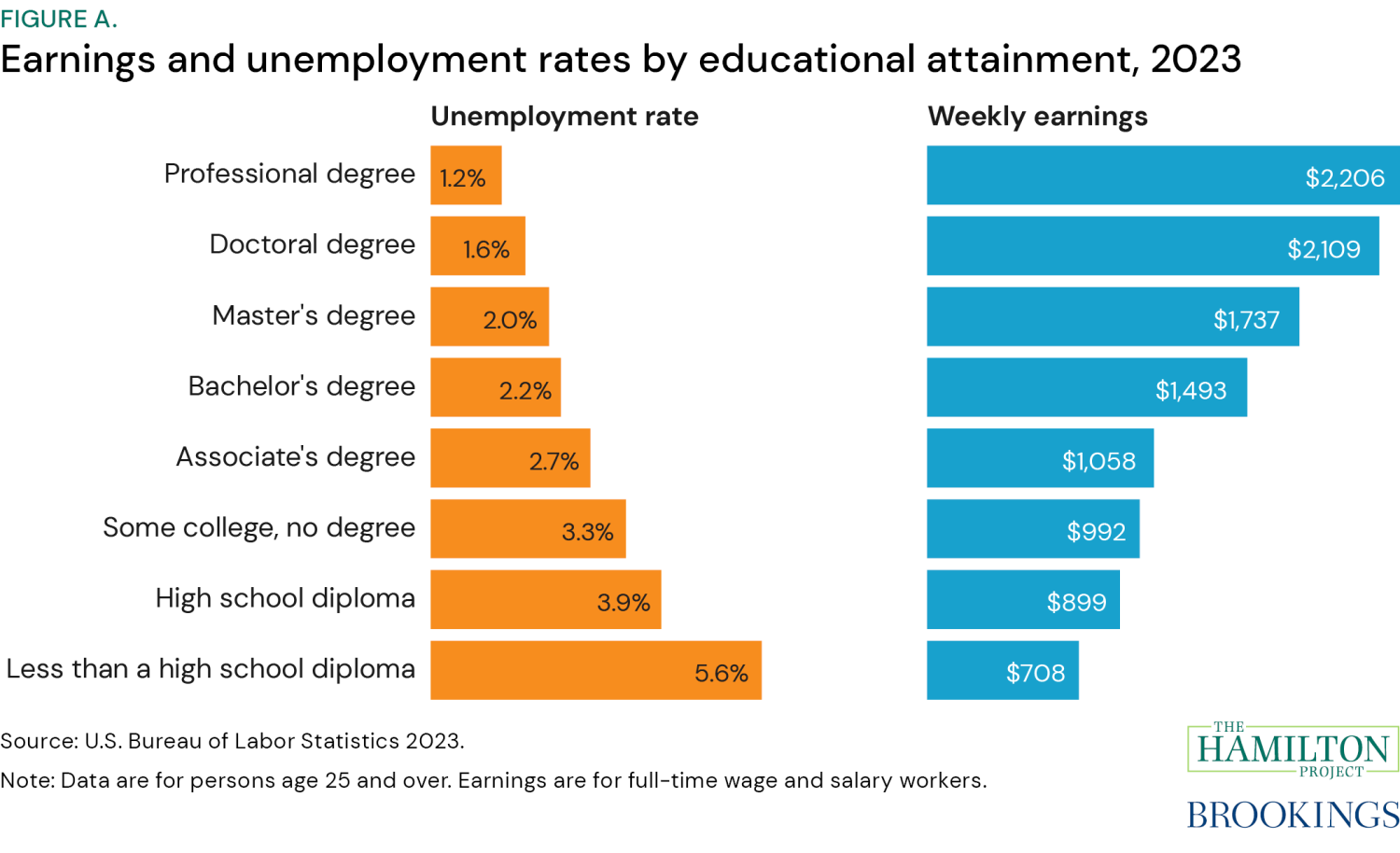
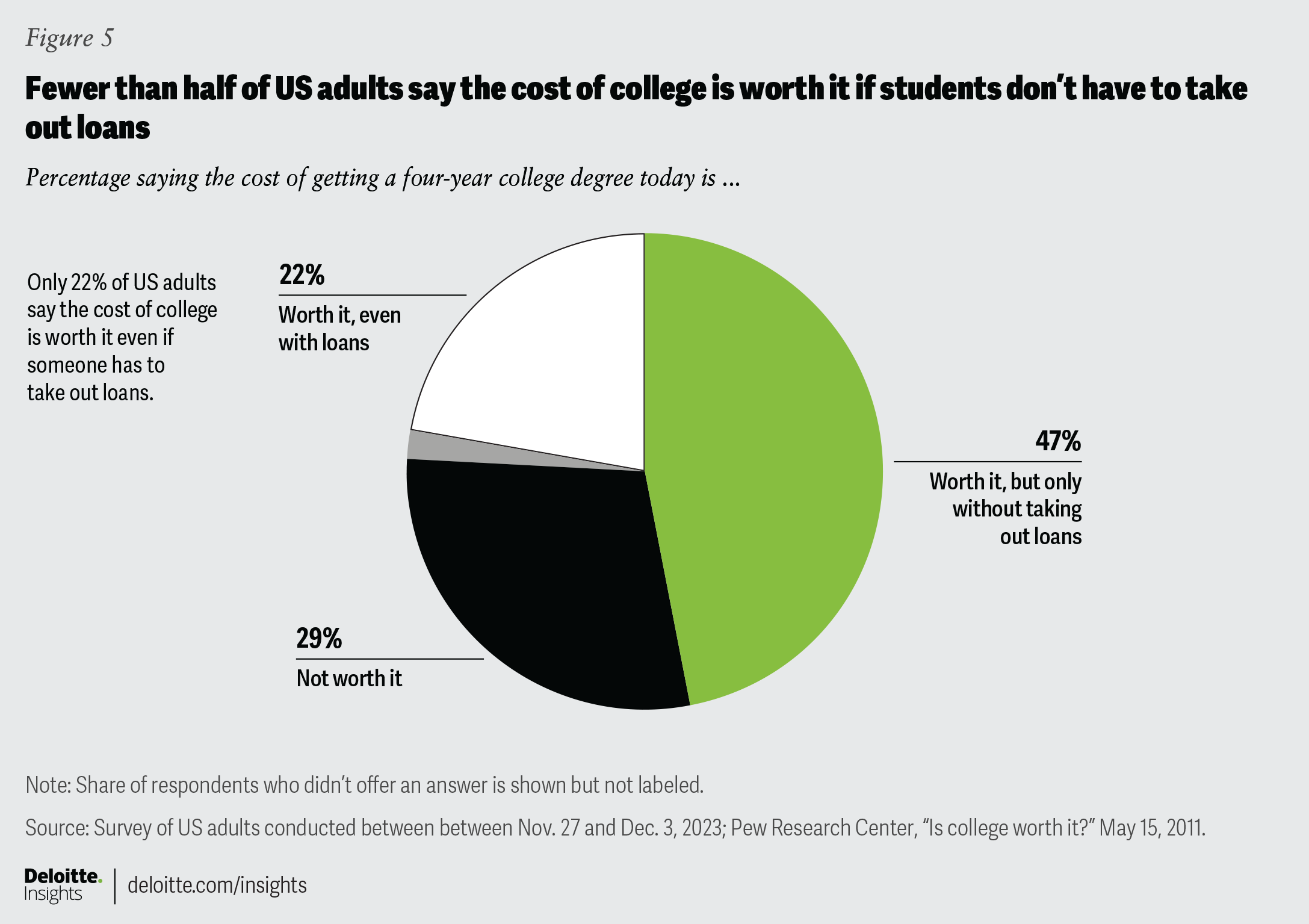
However, challenges abound. The average cost of tuition has outpaced inflation for decades, leading to a student debt crisis exceeding $1.7 trillion. Scholarships help mitigate this, but access remains uneven. Low-income students often face barriers in application processes, while international students grapple with visa restrictions and currency fluctuations.
Recent data highlights a surge in scholarship relevance post-pandemic. With job markets disrupted, more individuals are seeking higher education, amplifying demand for aid. Institutions are responding by expanding scholarships: 51% are increasing aid packages, 49% are offering flexible payment plans, and 43% are enhancing grant navigation support. This reactive approach sets the stage for proactive innovations in the future.
Globally, scholarships vary by region. In Europe, government-funded systems like Erasmus+ promote mobility, while in Asia, merit scholarships drive competition in countries like China and India. Africa and Latin America are seeing growth in philanthropic scholarships aimed at bridging educational gaps.
As we look ahead, these foundations will morph under pressure from demographic shifts. The “enrollment cliff” predicted for 2026—due to declining birth rates—will reduce the pool of traditional college-aged students, prompting universities to compete fiercely for talent through enhanced scholarships.
Technological Advancements Reshaping Scholarships
Technology is poised to revolutionize university scholarships by 2026 and beyond. Artificial intelligence (AI) will be at the forefront, automating and personalizing the application process. Imagine AI algorithms analyzing applicants’ essays, transcripts, and even social media profiles to match them with ideal scholarships, reducing bias and increasing efficiency.
AI accountability will become a key trend, ensuring transparent decision-making in awards. Tools like sentiment analysis could evaluate applicants’ motivations, while blockchain might secure verification of credentials, preventing fraud. Virtual reality (VR) interviews could allow remote assessments, making scholarships accessible to global applicants without travel costs.
Big data will enable predictive analytics for scholarship allocation. Universities could forecast student success based on historical data, awarding aid to those most likely to graduate and contribute back. This data-driven approach might extend to “dynamic scholarships” that adjust funding based on real-time performance, such as GPA maintenance or internship completion.
Accessibility imperatives will drive tech integration. By 2026, AI-powered platforms will assist disabled students in applications, with features like voice-to-text or adaptive interfaces. Engagement analytics will help institutions track scholarship recipients’ progress, offering early interventions to prevent dropouts.
However, ethical concerns loom. Data privacy must be safeguarded, and algorithms trained to avoid perpetuating inequalities. If implemented well, tech could democratize scholarships, making them more meritocratic and less reliant on human subjectivity.

Beyond AI, emerging tech like metaverses could host virtual scholarship fairs, connecting donors with students worldwide. Crowdfunding platforms, enhanced by AI recommendations, might supplement traditional scholarships, allowing communities to fund niche causes.
In summary, technology will make scholarships smarter, faster, and fairer, but only if guided by ethical frameworks.
Economic Factors Influencing Future Scholarships
Economic dynamics will profoundly impact university scholarships post-2025. A deteriorating outlook for higher education finances—marked by shrinking student pipelines, uncertain state and federal support, and rising expenses—could strain scholarship budgets.
Inflation and recession risks may lead to cuts in public funding, forcing universities to rely more on private donors and endowments. Proposed federal changes, such as reductions in programs like TRIO and GEAR UP, could undermine support for at-risk students. Conversely, enhanced Pell Grants and state scholarships might emerge as “wins” for low-income access.
Income-share agreements (ISAs) are gaining traction as an alternative to traditional scholarships. Under ISAs, students receive funding in exchange for a percentage of future earnings, aligning incentives between institutions and graduates. By 2030, ISAs could become mainstream, especially in high-demand fields like tech and healthcare.
Global economic shifts, including trade tensions and automation, will influence scholarship priorities. Universities may prioritize aid for skills in resilient sectors, such as renewable energy or cybersecurity, to prepare workforces for economic volatility.
Philanthropy will play a larger role, with billionaires and corporations funding scholarships tied to corporate social responsibility. For instance, tech giants might offer AI-focused scholarships to build talent pipelines.
Despite challenges, economic pressures could foster innovation, like micro-scholarships for short courses or hybrid models combining aid with work-study.
Promoting Inclusivity and Diversity Through Scholarships
The future of scholarships will emphasize inclusivity, addressing historical inequities. By 2026, diversity-focused awards will expand to include underrepresented groups based on race, gender, sexuality, disability, and socioeconomic status.
Trends show a push for global diversity, with scholarships facilitating cross-border education. Programs like those in the EU or ASEAN will evolve to support students from developing nations, fostering cultural exchange.
AI could help identify diverse candidates, but safeguards against bias are essential. Sentiment analytics might ensure applications reflect authentic voices from marginalized communities.
Corporate scholarships will tie into DEI goals, offering aid to first-generation students or those from indigenous backgrounds. In the U.S., amid debates on affirmative action, scholarships might shift to socioeconomic metrics for equity.
Globally, scholarships will address gender gaps in STEM, with initiatives in Africa and South Asia empowering women in tech.
This focus on diversity not only promotes justice but enhances innovation, as diverse cohorts drive creative problem-solving.

Global Perspectives on Scholarship Evolution
From a global viewpoint, scholarships will reflect regional priorities. In Asia, competitive merit systems will integrate with national development goals, like China’s push for innovation scholarships.
In Europe, mobility programs will adapt to post-Brexit realities, emphasizing intra-EU aid. Africa will see growth in pan-continental scholarships, funded by organizations like the African Union.
Latin America might focus on environmental scholarships, aligning with sustainability agendas. Overall, globalization will lead to more international collaborations, with joint scholarships between universities across continents.
Challenges Ahead
Despite optimism, challenges persist. Regulatory changes could disrupt funding, while enrollment declines force cuts. Cybersecurity threats to application systems and economic inequalities might widen gaps.
Over-reliance on tech could exclude those without digital access, necessitating hybrid approaches.
Bold Predictions for 2030 and Beyond
Looking further, by 2030, scholarships might be fully personalized via AI, with universal basic education aid in some countries. Quantum computing could optimize allocations, and space-related scholarships emerge for new frontiers.
Free college movements could expand, reducing reliance on scholarships in favor of systemic funding. (Note: [image:10] is from a source on free education stats.)
Conclusion
The future of university scholarships is bright yet complex, driven by tech, economics, and equity. By embracing these trends, we can create a more inclusive higher education system. Stakeholders must collaborate to overcome challenges, ensuring scholarships remain a gateway to opportunity for all.